
Building a Water Project Monitoring Dashboard for NGOs (Concept)
Interactive maps and beneficiary tracking.
The Core Challenge
For NGOs operating across East Africa, the gap between project implementation and measurable impact is often a "black box." Field data is frequently siloed in spreadsheets or paper logs, making it impossible for leadership to track whether a water point is functional, who is using it, or if it is actually serving the intended community. Without a centralized view, organizations are flying blind, struggling to prove ROI to donors and missing critical maintenance alerts that lead to project failure.
Why It Matters
The cost of inaction is measured in both capital waste and human health. When monitoring is reactive rather than proactive, thousands of dollars in infrastructure are lost to preventable disrepair, and communities are forced back into water insecurity. For executives, this lack of visibility is a major strategic risk; it erodes donor trust, complicates reporting, and hinders the ability to scale successful programs. In a sector defined by results, the inability to demonstrate impact in real-time is a competitive disadvantage that limits future funding potential.
The Practical Solution
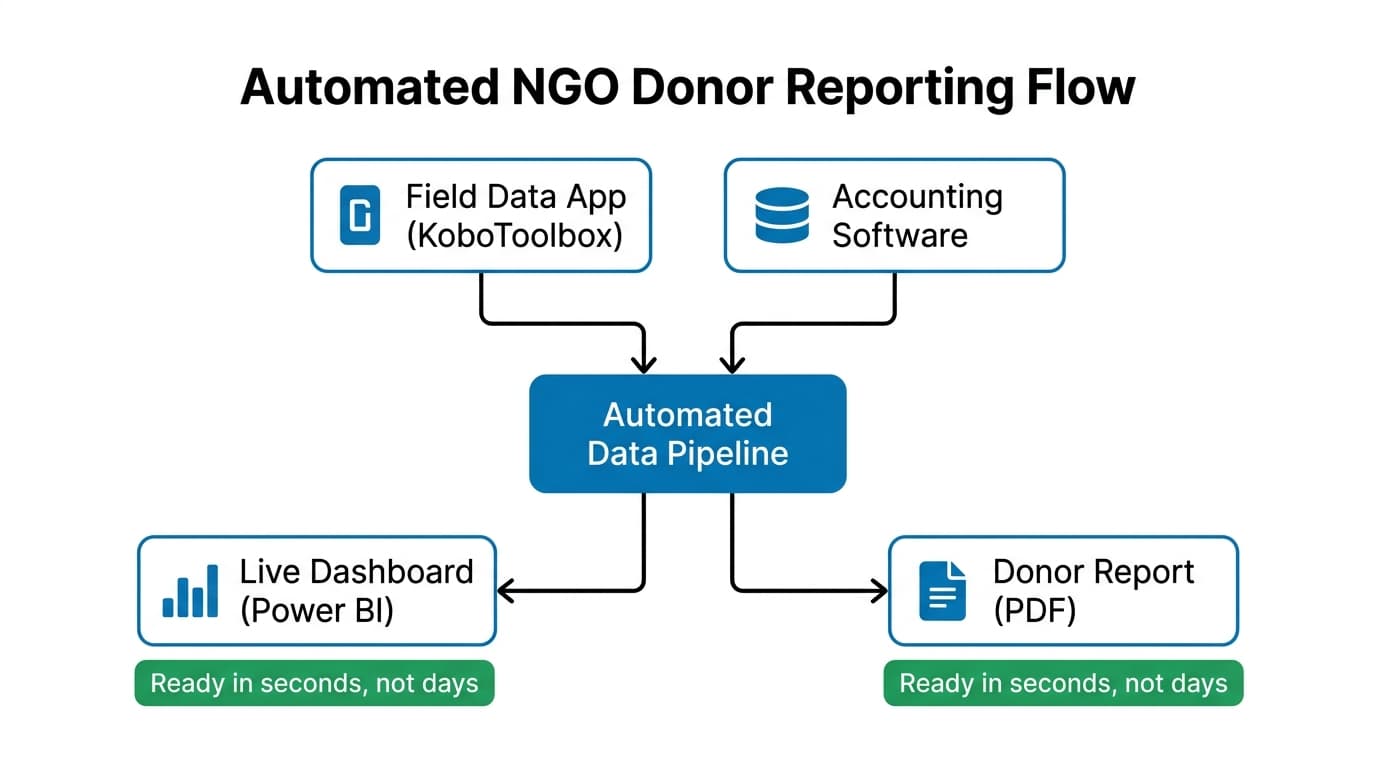
The solution is a centralized, cloud-based monitoring dashboard that brings your entire project portfolio to life through interactive, GIS-enabled maps. By integrating real-time beneficiary tracking with automated status updates, you can visualize exactly where your water projects are located, confirm their operational status, and monitor usage trends at a glance. Instead of waiting for annual reports, you get an executive-level command center that allows you to identify maintenance needs before they become crises and provide stakeholders with transparent, data-backed evidence of your impact.
Key Takeaways
- Real-time Visibility: Move from static manual reports to interactive, map-based insights that show project health at a glance.
- Data-Driven Accountability: Use beneficiary tracking to prove impact and strengthen relationships with institutional donors.
- Proactive Asset Management: Identify failing water points through automated alerts, reducing long-term repair costs and downtime.