
Predicting Sales with Machine Learning
Use a simple retail example.
The Core Challenge
For many retailers across East Africa, inventory management is a high-stakes guessing game. Whether you are running a chain of supermarkets in Nairobi or a network of supply depots, the struggle is the same: stock too much, and your capital is tied up in expiring goods; stock too little, and you lose customers to competitors. Traditional forecasting methods rely on historical intuition, which often fails to account for the rapid shifts in consumer behavior, seasonal demand, or localized economic fluctuations.
Why It Matters
The cost of inaccurate forecasting is a silent profit killer. When you miss the mark, you don’t just lose a single sale; you face the double burden of holding costs for stagnant inventory and lost revenue from stockouts. In a competitive, price-sensitive market, this inefficiency erodes your margins and hampers your ability to reinvest in growth. Inaction is effectively a choice to leave money on the table while your competitors use data to sharpen their edge.
The Practical Solution
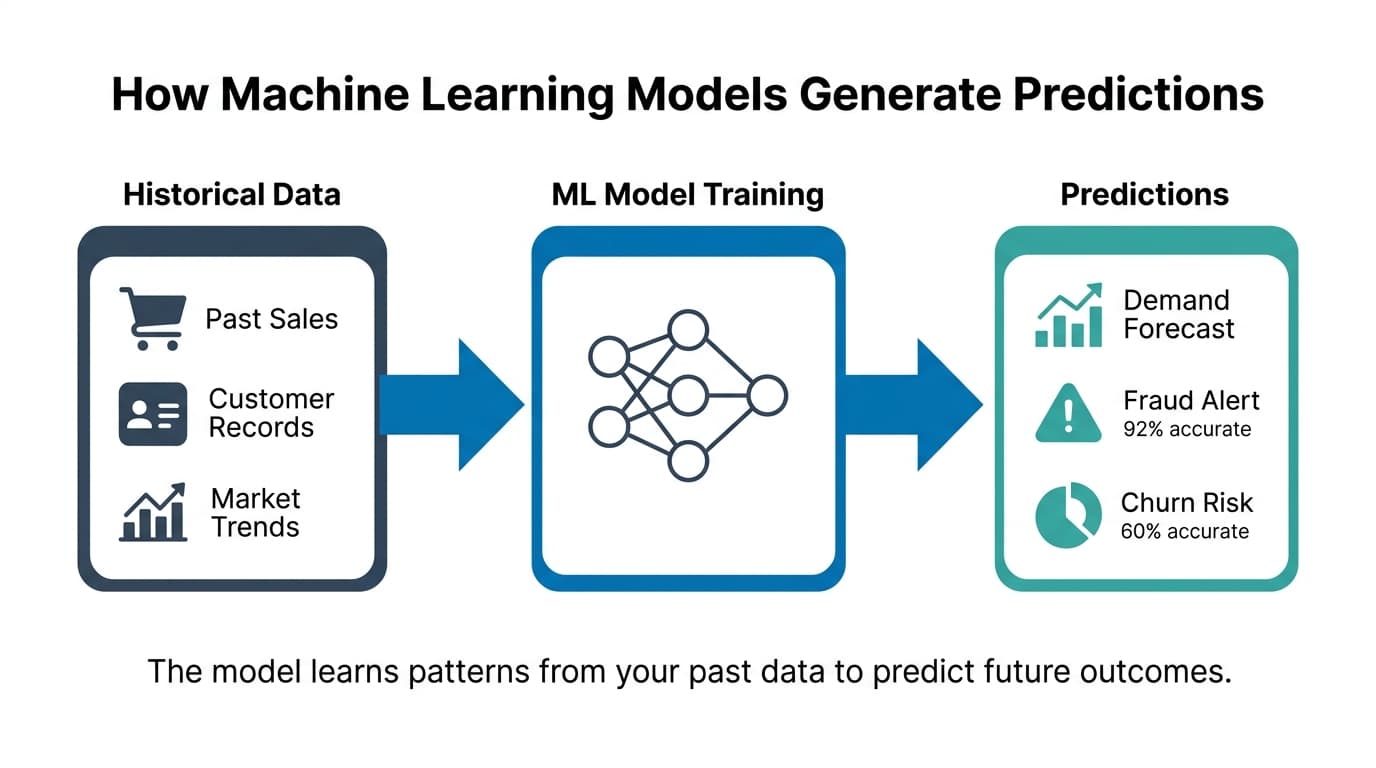
Machine Learning (ML) transforms this guesswork into a strategic asset. By feeding your sales data into an ML model—incorporating variables like holidays, local events, and weather patterns—the system learns to identify hidden patterns that the human eye misses. It acts like a digital compass, predicting demand with high precision. Instead of ordering based on what you sold last month, you order based on what the data suggests you will sell tomorrow. It is not about replacing your expertise; it is about giving your team the foresight to act before the demand curve shifts.
Key Takeaways
- Data-Driven Agility: Move from reactive restocking to proactive inventory management.
- Capital Efficiency: Free up cash flow by optimizing stock levels and reducing waste.
- Competitive Advantage: Capture more market share by ensuring the right products are always available when your customers need them most.