
Why Power BI Is Transforming Decision-Making
The power of accessible business intelligence.
The Core Challenge
In today’s fast-paced East African market, leaders are often drowning in data but starving for insights. Whether managing complex supply chains in Nairobi or tracking impact metrics for an NGO in the field, decision-makers frequently rely on fragmented spreadsheets and delayed reports. This disconnect creates a "visibility gap," where critical trends—such as shifting consumer behavior or operational bottlenecks—remain hidden until it is too late to act.
Why It Matters
The cost of inaction is no longer just a missed opportunity; it is a direct threat to competitiveness and sustainability. When decisions are based on intuition rather than real-time evidence, organizations risk misallocating scarce capital, failing to scale successful programs, and losing ground to more agile competitors. In an environment where every shilling or donor dollar counts, operating in the dark is a luxury that modern leadership can no longer afford.
The Practical Solution
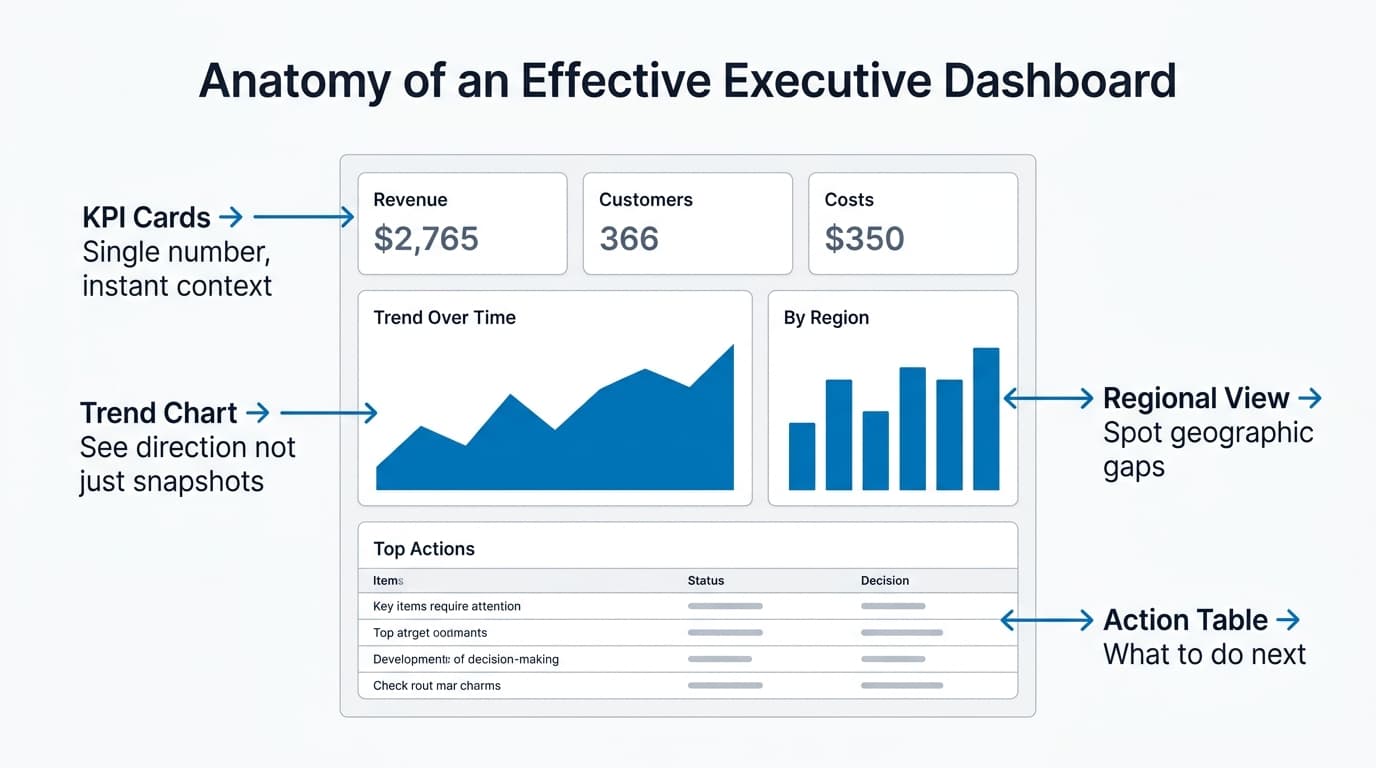
Power BI bridges this gap by turning raw, chaotic data into a clear, visual narrative. It acts as a central nervous system for your organization, automatically pulling information from various sources—like accounting software, field surveys, or sales logs—and displaying it on a single, intuitive dashboard. You don’t need to be a data scientist to use it; you simply need a clear question. With a few clicks, you can visualize your entire operation, identify performance gaps, and make high-stakes decisions with the confidence of someone who has the full picture.
Key Takeaways
- Real-time visibility: Move from reactive monthly reporting to proactive daily monitoring.
- Data-driven culture: Empower your entire team to make evidence-based decisions rather than relying on guesswork.
- Scalable impact: Efficiently track organizational goals and resource utilization to maximize your ROI or social impact.