
Building Interactive Dashboards for Development Projects
Visualizing impact effectively.
The Core Challenge
In the fast-paced development landscape across East Africa, project success is often buried in static spreadsheets and fragmented PDF reports. Leaders frequently struggle to reconcile field data with high-level strategy, leading to a disconnect between what is happening on the ground and the decisions being made in the boardroom. When impact data remains siloed, it becomes nearly impossible to track real-time progress, identify operational bottlenecks, or pivot strategies before resources are exhausted.
Why It Matters
The cost of inaction is measured in lost potential and wasted capital. Without a unified visual narrative, you risk losing the confidence of donors and stakeholders who demand transparency and evidence-based results. Relying on retrospective reporting means you are always fighting the last war rather than proactively steering your project toward its goals. In an era where impact is the new currency, failing to visualize your data effectively is equivalent to flying blind while navigating one of the world’s most dynamic markets.
The Practical Solution
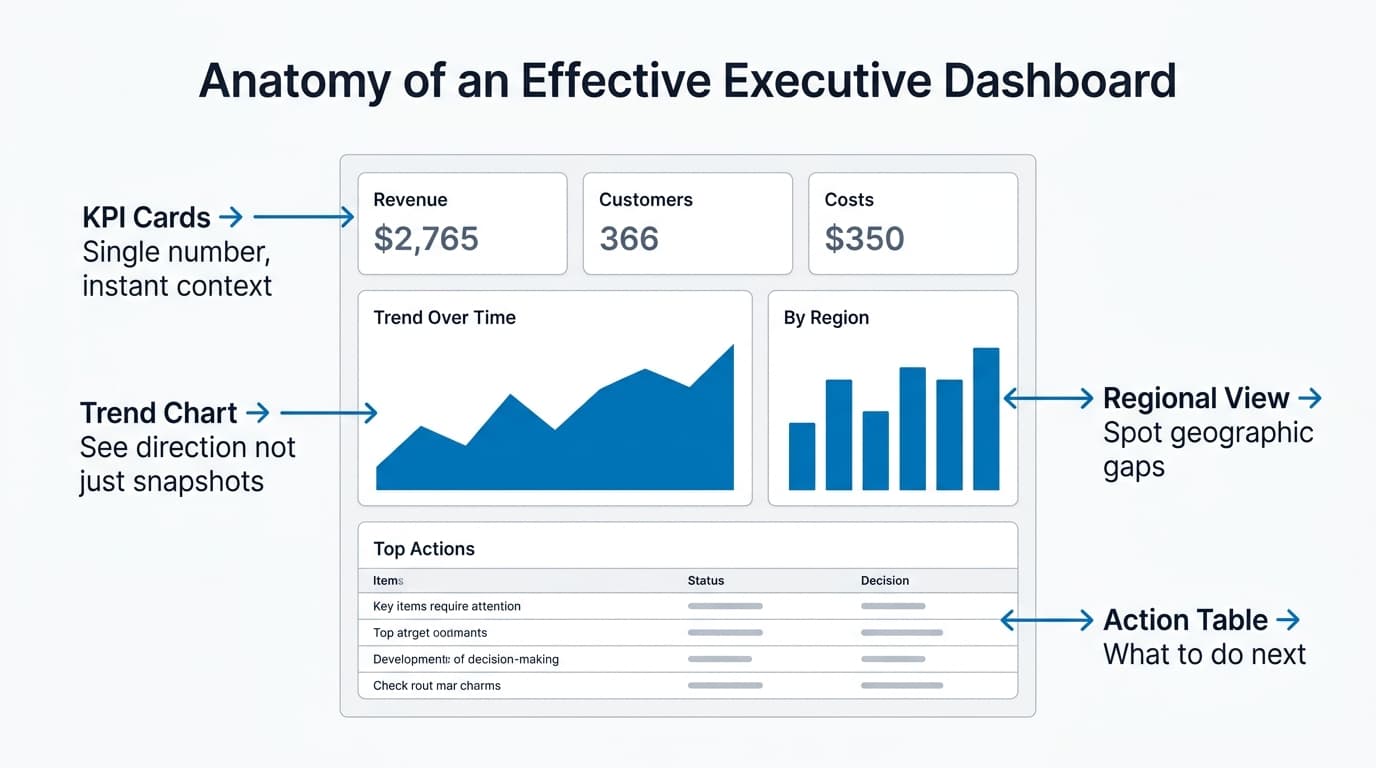
Building interactive dashboards transforms raw field data into a living, breathing command center. By connecting your data sources to a user-friendly interface, you can visualize key performance indicators, geographic impact, and resource allocation at a single glance. These dashboards act as a "single source of truth," allowing your team to drill down into specific regions or demographics instantly. You don’t need to be a data scientist to use them; you simply need a clear pipeline that turns your daily field logs into intuitive, actionable insights that empower you to lead with precision.
Key Takeaways
- Real-time visibility: Shift from monthly reporting to instantaneous oversight, allowing for faster, more agile decision-making.
- Strengthened Stakeholder Trust: Use high-quality, transparent visualizations to demonstrate accountability and secure long-term funding.
- Optimized Resource Allocation: Identify underperforming sectors or regions immediately, ensuring your budget is directed exactly where it delivers the most impact.