
Using GIS and Data Visualization to Improve Development Projects
Mapping impact across regions.
The Core Challenge
In the fast-paced landscape of East African development, the greatest hurdle isn't a lack of data—it’s the inability to see it. Organizations often struggle with fragmented information silos, making it nearly impossible to pinpoint where resources are being deployed effectively and where they are vanishing into administrative gaps. Without a unified spatial view, projects remain reactive, disconnected, and blind to the localized realities on the ground.
Why It Matters
The cost of inaction is measured in wasted capital and missed opportunities for social transformation. When decision-makers rely on static spreadsheets rather than dynamic insights, they risk duplicating efforts in saturated zones while neglecting high-need areas. Inefficient resource allocation doesn't just stall project timelines; it erodes stakeholder trust and diminishes the long-term, measurable impact that donors and governments demand.
The Practical Solution
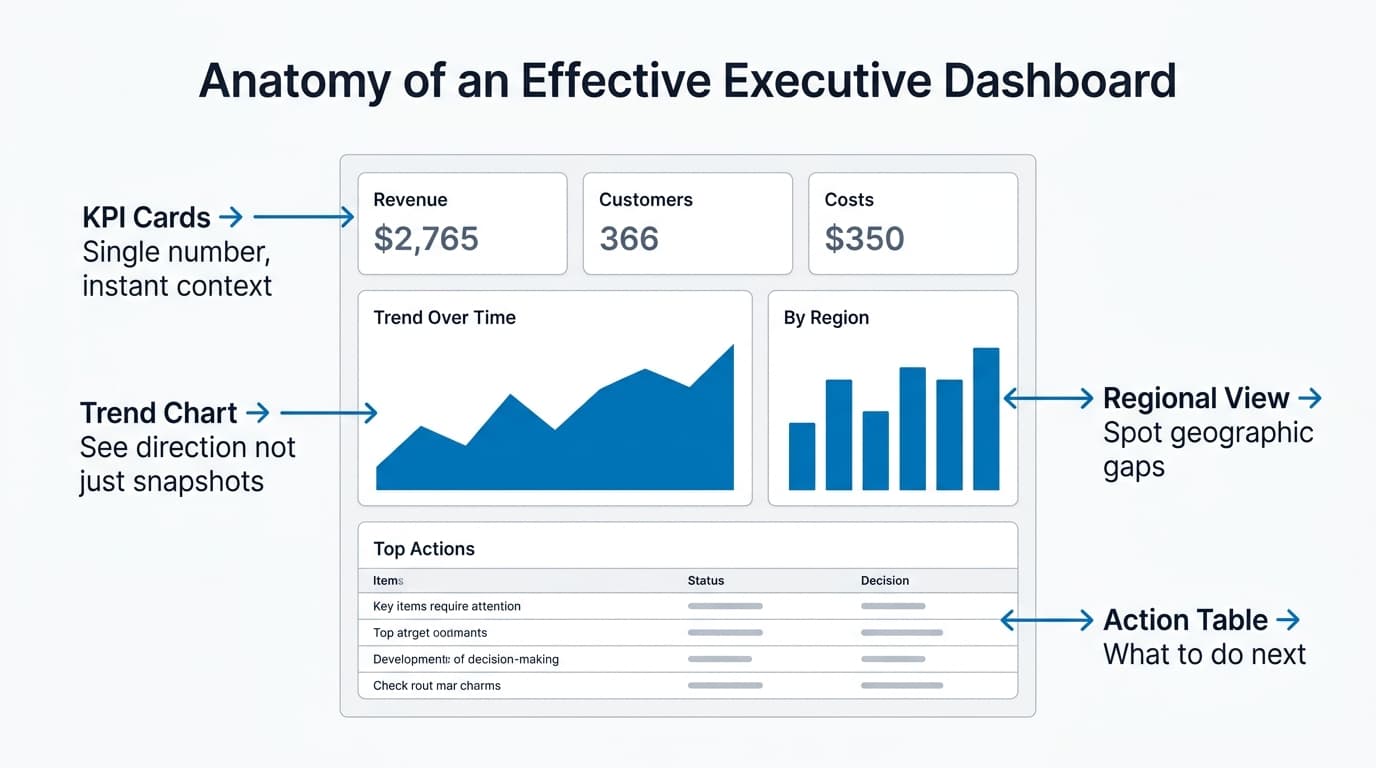
Geographic Information Systems (GIS) and modern data visualization transform abstract numbers into a living map of your mission. By layering socio-economic data over precise regional geography, you gain a "bird’s-eye" view that identifies bottlenecks, tracks progress in real-time, and predicts regional needs before they become crises. This approach turns complex datasets into intuitive, visual dashboards, empowering your leadership team to make high-stakes investment decisions with total clarity.
Key Takeaways
- Precision Allocation: Direct funding and personnel exactly where they will generate the highest return on impact.
- Real-Time Oversight: Monitor project health across multiple regions through a single, centralized visual interface.
- Evidence-Based Advocacy: Use compelling, data-backed maps to secure new partnerships and demonstrate transparency to stakeholders.