
Customer Churn Prediction Explained
Perfect for telecoms and SaaS companies.
The Core Challenge
In the fast-paced markets of East Africa, from Nairobi to Dar es Salaam, customer loyalty is increasingly fragile. Whether you are scaling a SaaS platform or managing a mobile network, the "leaky bucket" syndrome is a silent profit killer. Customer churn occurs when users quietly exit your ecosystem, often driven by better pricing, service fatigue, or a competitor’s aggressive campaign. The challenge isn’t just that they leave; it’s that they leave without warning, leaving your revenue forecasting in jeopardy.
Why It Matters
The cost of inaction is far higher than the cost of intervention. Acquiring a new customer in a competitive landscape can cost five to seven times more than retaining an existing one. When your churn rate climbs, your Customer Lifetime Value (CLV) plummets, directly eroding your bottom line and stalling growth. For executives, this isn't just a metrics problem—it’s a sustainability issue. Ignoring the warning signs of disengagement turns a manageable operational hurdle into a systemic threat to your market share.
The Practical Solution
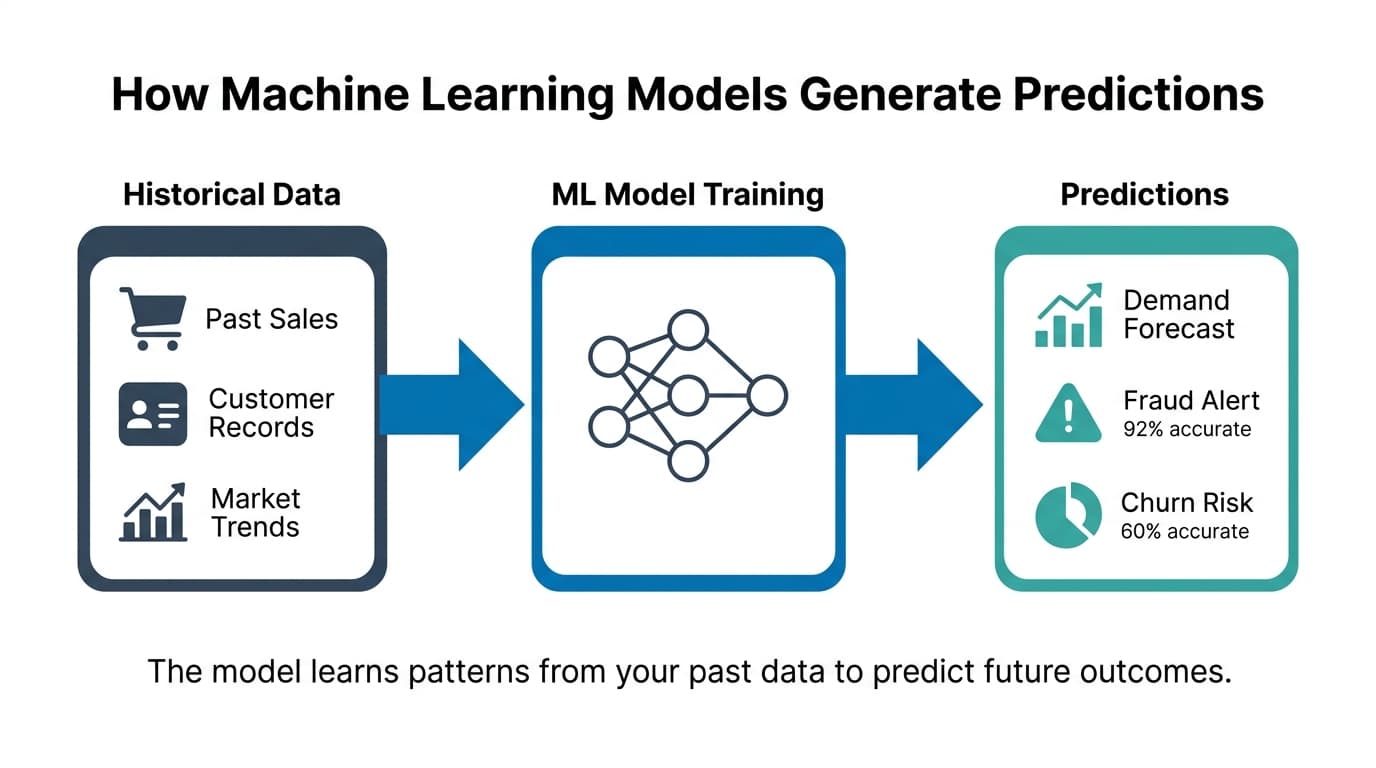
Churn prediction is your early warning system. By leveraging historical data—such as usage patterns, payment history, and support interactions—predictive models identify the subtle behavioral shifts that precede a departure. Think of it as a digital pulse check: the system flags "at-risk" customers before they even decide to cancel. This allows your team to pivot from reactive damage control to proactive retention, deploying targeted incentives or personalized outreach at the exact moment they matter most. It turns raw data into a precision tool for building long-term loyalty.
Key Takeaways
- Shift from reactive firefighting to proactive, data-driven retention strategies.
- Protect your margins by prioritizing the lifetime value of your existing user base.
- Use predictive insights to deliver personalized experiences that stop churn before it starts.