
How Banks Use Machine Learning to Detect Fraud
Security and anomaly detection in finance.
The Core Challenge
In the rapidly digitizing East African financial landscape, the volume of mobile money and electronic transactions has exploded. However, this growth has created a playground for sophisticated cybercriminals. Traditional, rule-based security systems—which rely on static triggers like "transaction over $500"—are no longer sufficient. They are either too rigid, causing friction for legitimate customers, or too porous, allowing complex fraud schemes to slip through the cracks of manual oversight.
Why It Matters
For financial institutions and NGOs, the cost of inaction is twofold: direct financial loss and the erosion of institutional trust. In a market where digital adoption is built on the promise of security, a single high-profile breach can devastate customer retention and attract stringent regulatory scrutiny. Beyond the balance sheet, fraud diverts critical resources away from development projects and slows the momentum of financial inclusion, turning a security failure into a strategic setback.
The Practical Solution
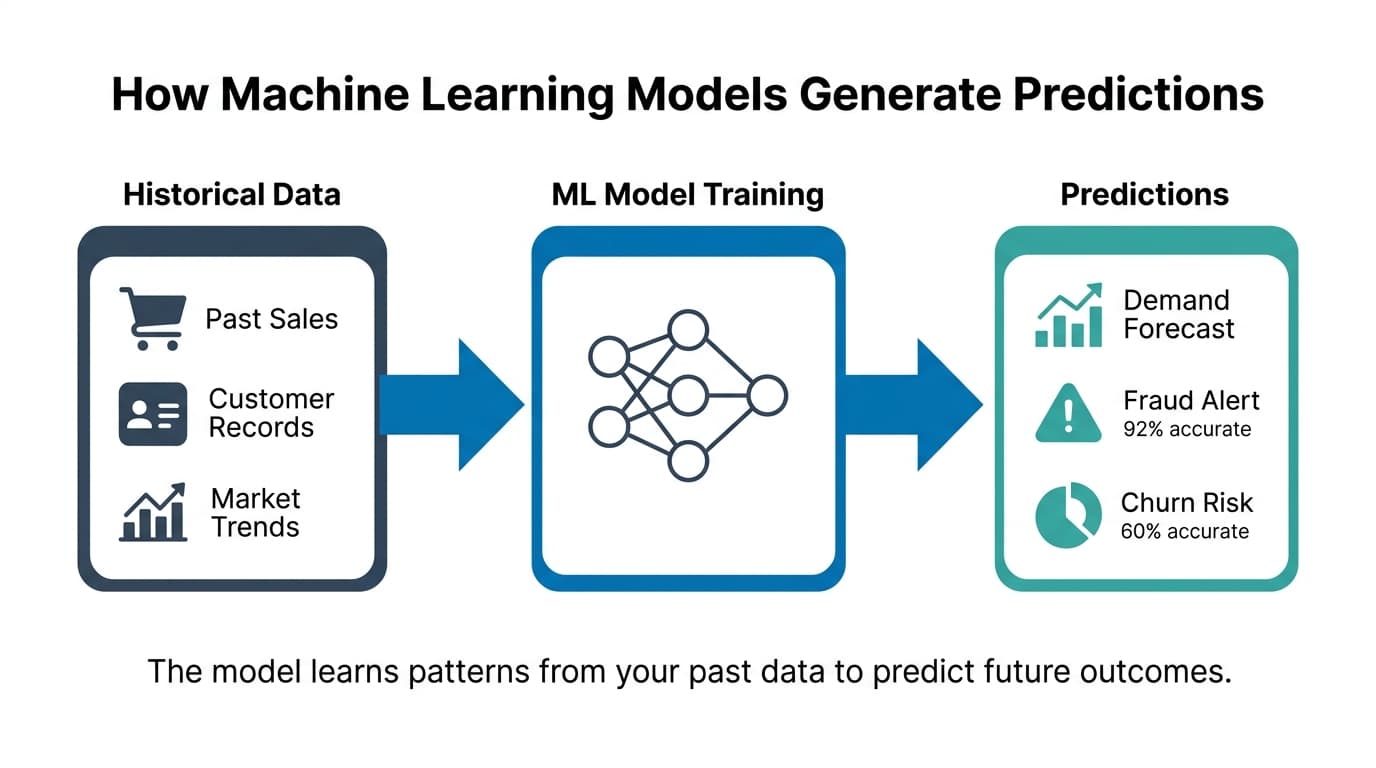
Machine Learning (ML) transforms security from a reactive barrier into a proactive intelligence network. Instead of looking for specific "bad" patterns, ML algorithms analyze millions of data points—such as device location, spending habits, and typical login times—to establish a "normal" baseline for every user. When a transaction deviates from this unique behavior, the system flags it in milliseconds. It learns and adapts in real-time, meaning that as fraud tactics evolve, the bank’s defenses get smarter and faster without requiring constant manual updates.
Key Takeaways
- Predictive Accuracy: ML identifies anomalies that human analysts and static rules consistently miss, significantly reducing false positives.
- Seamless User Experience: By only flagging truly suspicious activity, banks can protect accounts without inconveniencing the majority of legitimate customers.
- Scalable Trust: As digital transaction volumes grow, ML provides a scalable security layer that keeps pace with expansion without needing a proportional increase in headcount.