
Practical AI Applications for Manufacturing Companies
Discuss forecasting, quality control, and predictive maintenance.
The Core Challenge
For manufacturing leaders in East Africa, the gap between potential and performance often comes down to unpredictability. Whether it is erratic supply chains, sudden equipment failures, or inconsistent product quality, reactive management is eroding margins. In a rapidly evolving market, relying on intuition or manual oversight to manage complex production cycles is no longer a sustainable strategy; it is a bottleneck to scaling operations and meeting regional demand.
Why It Matters
The cost of inaction is measured in lost capital and diminished market share. Every hour a production line sits idle due to an avoidable breakdown, or every batch discarded due to quality defects, represents a direct hit to your bottom line. In an increasingly competitive landscape, companies that fail to adopt intelligent systems will find themselves unable to match the price, speed, and reliability of more agile, data-driven competitors, effectively pricing themselves out of the market.
The Practical Solution
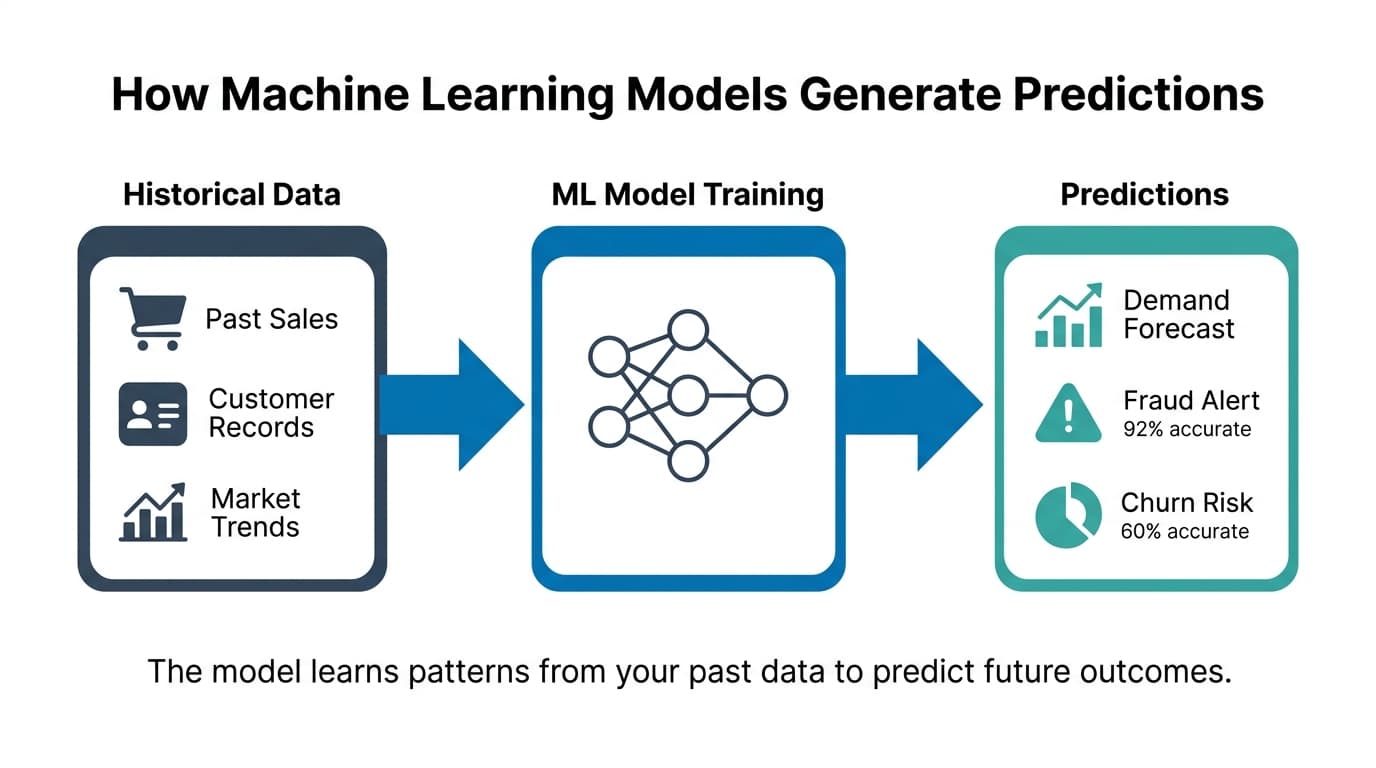
AI is not about replacing your workforce; it is about providing them with a digital compass. By integrating AI-driven tools, you can transform historical data into actionable foresight. Predictive maintenance sensors alert your team to machine fatigue before a breakdown occurs, while AI vision systems catch quality defects in real-time that the human eye might miss. Furthermore, AI-powered forecasting models analyze regional market trends to optimize your inventory, ensuring you produce exactly what the market needs, exactly when it needs it.
Key Takeaways
- Predictive Maintenance: Shift from expensive "break-fix" cycles to proactive servicing, significantly extending the lifespan of your machinery.
- Quality Assurance: Deploy automated visual inspection to maintain international quality standards, reducing waste and protecting your brand reputation.
- Demand Forecasting: Use data-driven insights to stabilize supply chains and manage inventory levels, ensuring capital is never tied up in excess stock.